Vision
Create a Platform for and by youth from different countries of Southàsia to facilitate their vision and expression for the Region. Time our youth start thinking about issues from cross border perspectives and explore their solutions collectively.Mission
Transform the Grammar of interactions and collaborations by civil society organisations on issues of common social concerns within Southasia- especially for the youth!Pan Southasia Network
Pan Southasia Network of Civil Society Organisations, Youth and Trade Unions, Professional Bodies and Institutions interested in promoting Vision for Southasia and collaborating and participating in programs and activities of common concern of the region.
This Platform will provide a unique opportunity to collaborate / participate Online and Offline in Events and Programs by Member Organisations and Youth Groups in the Southasian Countries with updates by a Fortnightly Newsletter
The Platform will privilege youth from different countries of Southasia to facilitate their vision and expression for the Region. Time our youth start thinking about issues from cross border perspectives and explore their solutions collectively.
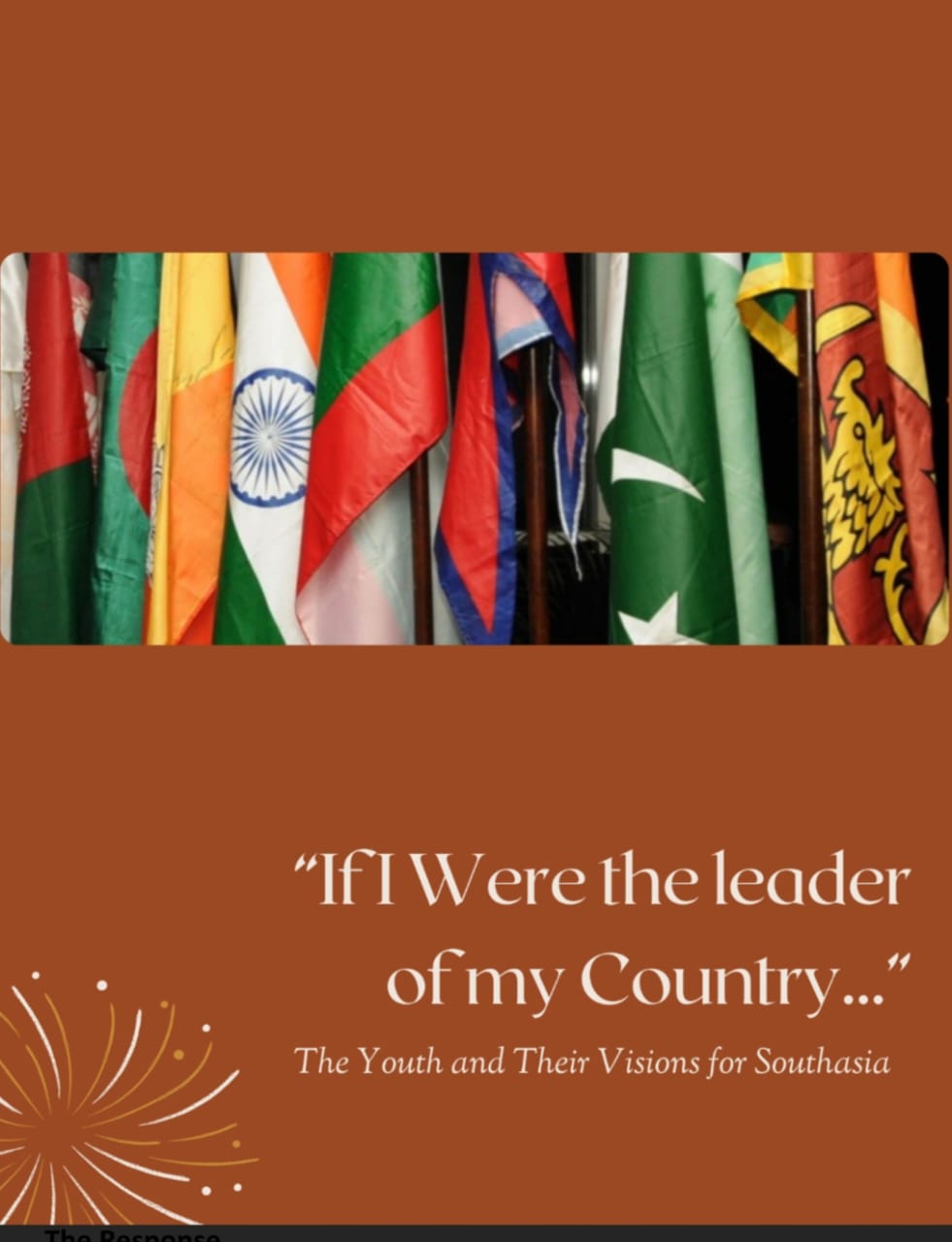
Countries Covered: Afghanistan, Bangladesh, Bhutan, India, Maldives, Nepal, Pakistan and Sri Lanka.
Program Scope and Activities
To transform the grammar of interaction among youth, civil society organisations and educational institutions in South Asia by promoting cross-border collaboration on common social challenges, and by facilitating collective, innovative, and scalable solutions.
The Program commenced in June 2025, with initial youth-focused regional events and facilitation of cross-border collaboration among partner organisations through online platforms and organised 2 Events: on 12th August 2025- International Youth Day and 8th December 2025- SAARC Charter Day.
Celebrating Peace Doyens
Honoring legendary leaders who have dedicated their lives to promoting peace between India and Pakistan and across South Asia.

Admiral Ramdas
Peace Advocate, IndiaFormer Chief of the Indian Navy who has worked tirelessly to build bridges between India and Pakistan through citizen diplomacy.
"Youth must be the architects of a new South Asia built on mutual respect and cooperation."

Karamat Ali
Peace Activist, PakistanFounder of the Pakistan Institute of Labour Education and Research, dedicated to promoting peace and regional cooperation.
"Cross-border collaboration is not just beneficial; it is essential for our shared future."
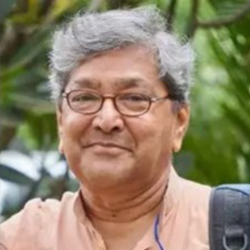
Tapan Bose
Human Rights Defender, IndiaDocumentary filmmaker and activist who has consistently advocated for peaceful resolution of conflicts in South Asia.
"We must see beyond borders to recognize our shared heritage and common humanity."

Doyens of Peace: A Youth-Led Initiative
Bonanza for Youth - Organisations - Volunteers
- Build your leadership profile in regional peace initiatives
- Network with like-minded youth from across South Asia
- Gain recognition from established peace advocates
Three Annual Events for Youth
12th August:
International Youth Day
8th December:
SAARC Charter Day
27th March:
World Theatre Day
To Provide a Platform for Youth to Articulate their Vision for SouthAsia
Please Click the Link for details: https://www.peacedoyens.org/annual-event/
Upcoming Event : SAARC Charter Day- 8th December 2026
All details including Theme, Activities, process for participation and timelines will be intimated by December 2026
How To Participate: 3 Simple Steps
Create Your Video
Record a 5-minute video sharing your Ideas for Collaboration between Youth of SouthasiaSubmit Online
Upload your video through our simple submission form with your basic informationEngage & Win
Selected videos will be featured on: 12th August 2026: International Youth Day2nd Southasia Commemoration
12th August 2026
Celebrating Peace Doyens
Submit Your Videos NowVideos may be submitted in languages other than English also, but must have English Sub Titles
2nd Southasian Commemoration of Doyens of Peace 12th August 2026
CLICK for YouTube Live Streaming
CLICK for eBook of the Event
The Event on International Youth Day: 12 th August 2026:
Duration: 120 Minutes - 10 am to 12 Noon- IST
Online Broadcast of 16 Selected Video Entries of Maximum 5 Minutes (2 from each Member Country)
40 Minutes for Panel and Open Discussion
Eight Member Panel- One from each Member Country- All Panel Members will be below 30 years.
Hybrid: The Program will be available online and can also be live streamed in educational institutions, offices and public spaces for larger audiences (of all ages).
Hybrid Interventions: Participants - those who are not contributors can also witness online and at Hybrid locations Will be able to make interventions, subject to permission from the Moderators.
9 Point Strategic Blueprint by Youth to Transform Southasia
Youth Participants of the 8th December 2025 Event collectively proposed a 9 Point Strategic Youth Blueprint
To transform regional cooperation and tackle fragmentation through Youth-Led Initiatives.
9 Point Strategic Youth Blueprint
1. South Asian Youth Peace Network
2. Music Unites: Cross-Border Cultural Diplomacy
3. Social Media & AI for Peace and Collaboration
4. Virtual Campuses / Open Southasian Universities: Education Without Borders
5. Regional Youth Innovation Hub
6. Youth-Led Cross-Border Trade Bridges
7. Green Energy Grid Initiative
8. Joint Environmental and Resource Programs
9. Disaster Response as a Unifying Force
From Blueprint to Action
The Blueprint requires creating Dedicated Thematic Communities
Using the WhatsApp Platform
For each Strategic Point to develop concrete project plans.
The first three Thematic Communities
1. Climate Change
2. Culture Connect
3. Social Media & AI
Will pilot collaborations on WhatsApp and scale to broader platforms.
Vision of Youth For Southasia
Articulated by Youth Participants of 1 st Southasian Commemoration
The Challenge to Youth of Southasia: A Five-Minute Video on My Vision for Southasia if I am the President / Prime Minister of my Country
The Response
198 youth from Afghanistan, Bangladesh, Bhutan, India, Maldives, Nepal, Pakistan and Sri Lanka responded with videos of daring and inspiring Visions for Southasia!
The Vision encapsulated below is from some of these videos Encompassing and reflecting the sentiments and the Visions enshrined in the 198 videos!
The collage of visions articulated by young people from across Southasia represent the historical aspirations of Southasian people and some strategies we might consider to achieve a cooperative future.
THE VISION
1. Southasia is naturally without borders. Therefore, instead of enforcing boundaries we ought to indulge in a coexistence which is strung along economic, political, social, and cultural lines.2. We must build strong foundations for such a future for which internal development and universal education are essential. To that end we must focus on raising national employment, creating native institutions of learning and investing in regional student-exchange programs and digital school networks.
3. We acknowledge the truism that peace requires dialogue and freedom and the need for cross-border mobility and people-to-people diplomacy.
This would become the soil to nurture peaceful resolutions to existing conflicts between countries.
4. Embodying this principle would help us navigate times of crisis together like the environmental catastrophe which hangs over our heads.
5. This is at the heart of our collective futures and one which requires urgent and concerted solutions.
6. We have to become very serious about joint river programs, regional emission reduction projects, and diversifying energy sources.
7. There is a need for a common vision of economic integration, sometimes through a Southasian Economic Bloc. This would follow and inform ecologically sensitive models of economic development on the national level, spearheaded by a young generation of educated, connected, and innovative people.
8. Soft-borders and linkages by sea would promote free trade, based on equality and shared concerns rather than domination.
9. The reinvigoration of SAARC (South Asian Association for Regional Cooperation) is an embodiment of these visions.
Initiatives Required to Realise the Vision of Youth for Southasia
The exercises of providing platforms to youth are necessary. They ought to be repeated.
The assumption of a leader’s responsibility brings seemingly distant issues to the fore and closer to our homes. This provides the youth with the impetus to apprehend a larger and more intimate reality such that they may identify erosions at its structure and tirelessly work together to sustain, improve, and change our world.
Let’s stop seeing each other as divided neighbours and start acting as united families…there are no small countries, just strong partnerships. No poor people, no poor countries, only untapped potentials.
Celebrating SAARC Charter Day- 8th December 2025
A Report
Theme
How can Youth Collaborate to Reduce Poverty and Promote Peace in Southasia
Preview of Videos

223 Youth of Southasia Submitted 2-5 Minutes Videos
Livecast of 8th December 2025 Event
Please Click the Link for the Livestream:https://www.youtube.com/live/hr8gRwzXVAw
14 top videos were livestreamed with a Panel Discussion.
To See Top Video Visions
Please Click : https://www.peacedoyens.org/visions-videos/
Media Reports
Please Click : https://www.peacedoyens.org/media/
Report of
1st Southasia Commemoration 12th August 2025

1st Southasia Commemoration
12th August 2025
Media Reports
Please Click : https://www.peacedoyens.org/media/
Top Rated Video Visions
Please Click : https://www.peacedoyens.org/visions-videos/
Livecast of 12th August Event
Please Click : https://www.youtube.com/watch?v=hjb5ijczXmc&t=3s
Opportunity to Collaborate / Participate Across Southasia
In Events and Programs by organisations in Southasian Countries
Over 500 organisations, youth associations, trade unions, professional bodies, institutions and civil society groups and volunteers are expected to become members of Doyens of Peace.
Any Member organising any event / program / activity that could be relevant for Southasia can announce their Event and solicit collaboration / participation from other Members. Details will be available on Doyens Website and circulated through a Fortnightly Newsletter.

To Announce your Upcoming Southasian Program
Please Click the link
To Participate in Up Coming Southasian Programs
Please Click the link
Southasia Coordination Committee
Advisors
 Ahmad Abid Humayun
 Khushi Kabir
 Dr. Nima Gyeltshen
 Lalita Ramdas - Mazher Hussain
 Mohammed Tahseen - Beena Sarwar
 Namrata Sharma
 : Nimalka Fernando
Anchor Nominees
-
- Sharaban Tohura
- Tsering Ilhamo
- Vijaya Bharatiya
- Nawaz Ahmad
-
-
- Darsi
Southasia: Why 'Southasia' as one word?
Because our histories entangle, our struggles intersect, and our futures are bound together.
Because history, geography and shared struggles say so.
We use ‘Southasia’ as one word, “seeking to restore some of the historical unity of our common living space,
without wishing any violence on the existing nation states”
Plus, it’s more poetic.
Southasian Nations United for Peace
Peace is not merely the absence of conflict, but the presence of justice and mutual understanding.
Through dialogue and shared experiences, we can build a South Asia where borders unite rather than
divide.
— Admiral Ramdas, Peace Doyen